


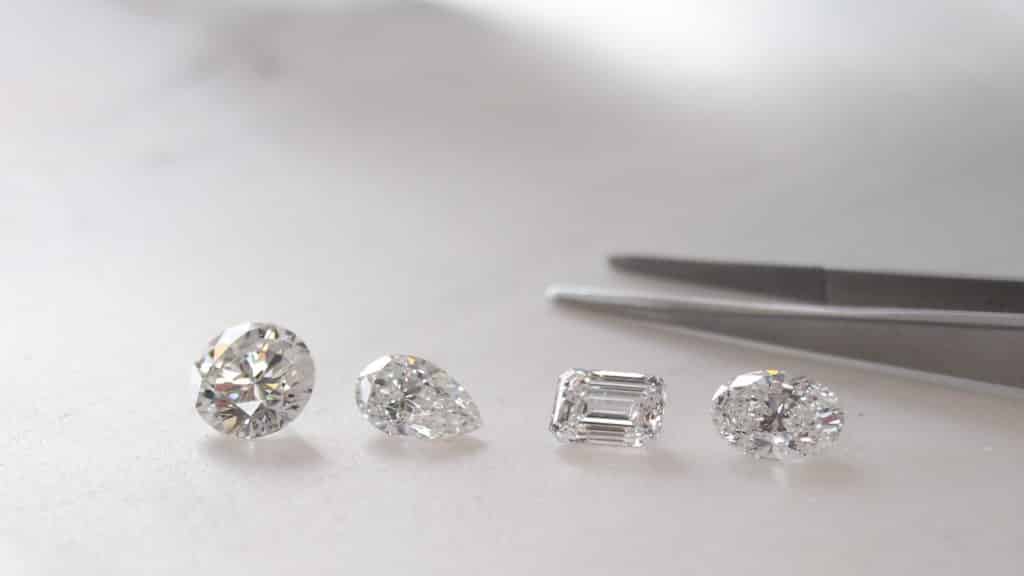
For centuries, diamonds have been treasured for their unmatched brilliance, durability, and symbolism of love and status. Traditionally, they were formed deep within the Earth over billions of years under intense heat and pressure. Today, however, technology has unlocked a remarkable alternative: lab-grown diamonds. Among the various methods of creating these gems, lab diamonds HPHT (High Pressure High Temperature) stands out as one of the most established and fascinating.
This article explores HPHT diamonds in detail, explains what “man-made” diamonds really are, and examines their benefits, differences from mined diamonds, and their growing role in the jewelry market.
What Are Lab Diamonds?
A lab diamond is a diamond that is created in a controlled environment using advanced technological processes that replicate the natural diamond-forming conditions of the Earth’s mantle. The result is a crystal with the same physical, chemical, and optical properties as a mined diamond. In other words, a lab diamond is a real diamond—just made in a laboratory rather than extracted from the ground.
Lab diamonds are often referred to as man-made diamonds, synthetic diamonds (in scientific terms), or cultured diamonds. While “synthetic” can sometimes carry a misleading connotation of being fake, in the context of gemology it simply means the diamond was grown artificially rather than occurring naturally.
HPHT: The High Pressure High Temperature Process
The HPHT method is one of the first and most reliable ways to grow diamonds in a lab. It mimics the conditions found 150–200 kilometers beneath the Earth’s surface, where natural diamonds form. The process involves three main elements:
-
A Carbon Source – This is the raw material for the diamond, often in the form of graphite or another carbon-rich substance.
-
A Diamond Seed – A tiny slice of diamond acts as the “template” upon which carbon atoms will arrange themselves.
-
HPHT Machine – This applies pressures of over 5 GPa (gigapascals) and temperatures exceeding 1,500°C.
During the process, the carbon source melts in the presence of a metal catalyst, and carbon atoms begin crystallizing onto the diamond seed. Over time—usually several days to weeks—a diamond crystal grows large enough to be cut and polished for jewelry or industrial use.
HPHT vs. CVD
HPHT isn’t the only way to create lab diamonds. Another popular method is CVD (Chemical Vapor Deposition). While HPHT uses intense heat and pressure to directly replicate natural geological conditions, CVD involves a vacuum chamber where carbon-rich gases are broken down, allowing carbon atoms to slowly deposit onto a diamond seed.
HPHT diamonds tend to have slightly different inclusions and color characteristics compared to CVD diamonds. In fact, HPHT is often used to enhance CVD diamonds by improving their color after growth.
Why HPHT Diamonds Stand Out
-
Color Improvements – HPHT can produce very clear, colorless diamonds, as well as fancy-colored ones like yellow, blue, and pink.
-
Hardness & Durability – Being true diamonds, HPHT gems rank 10 on the Mohs hardness scale, just like natural diamonds.
-
Established Technology – HPHT has been in use since the 1950s, giving it a long history of refinement.
Are Lab Diamonds “Real”?
Yes—scientifically and gemologically, lab diamonds are real diamonds. The Federal Trade Commission (FTC) in the U.S. has even updated its guidelines to clarify that a diamond is a diamond, regardless of its origin. The only difference is where they are made—either deep underground or inside a laboratory.
Even professional gemologists need specialized equipment to determine whether a diamond is lab-grown or mined. Standard tests for authenticity, such as thermal conductivity, will confirm that both are genuine diamonds.
Advantages of Man-Made Diamonds
-
Ethical Sourcing – Lab diamonds bypass the environmental and ethical issues sometimes associated with mining.
-
Lower Cost – They are generally 30–50% less expensive than mined diamonds of the same size and quality.
-
Customization – Colors, shapes, and sizes can be tailored more easily in lab environments.
-
Sustainability – While lab production does use energy, it avoids large-scale land disruption and habitat destruction.
HPHT Diamonds in the Market
HPHT diamonds are used both in jewelry and in industrial applications. Industrial-grade HPHT diamonds are vital for cutting, drilling, and grinding because of their exceptional hardness. In jewelry, HPHT gems compete directly with natural diamonds in appearance and quality. Many buyers now choose lab diamonds for engagement rings, necklaces, and earrings—not only for affordability but also for the peace of mind that comes with knowing their stone is ethically produced.
Myths & Misunderstandings
Myth 1: Lab diamonds are fake.
Reality: They are chemically identical to mined diamonds and perform the same in all aspects.
Myth 2: Lab diamonds are worthless.
Reality: While resale values differ from mined diamonds, they still hold market value, especially for high-quality stones.
Myth 3: You can tell the difference by looking.
Reality: Without advanced instruments, it’s impossible to distinguish between a lab-grown and a mined diamond with the naked eye.
The Future of Diamonds
As technology continues to advance, HPHT and other man made diamonds methods are becoming more efficient and more widely accepted. The stigma around man-made diamonds is fading as consumers prioritize ethics, sustainability, and affordability. Many jewelers now offer both natural and lab-grown options, letting customers decide based on their values and budget.
Lab-grown diamonds—whether made by HPHT or CVD—are not just an alternative; they represent a new chapter in the story of gemstones. By combining science, artistry, and responsibility, they shine with the same beauty that has captivated humanity for centuries—only now with a modern twist.
Conclusion
HPHT lab diamonds prove that man can replicate the wonders of nature with precision and care. They are real, durable, beautiful, and increasingly popular. Whether you choose a mined diamond for its geological history or a lab-grown one for its ethical advantages, both tell a story of brilliance. In the end, what matters most is the meaning the diamond carries for you—and both HPHT and natural diamonds are equally capable of making that sparkle timeless.